Online Service
Tel : +86 177 3705 2830


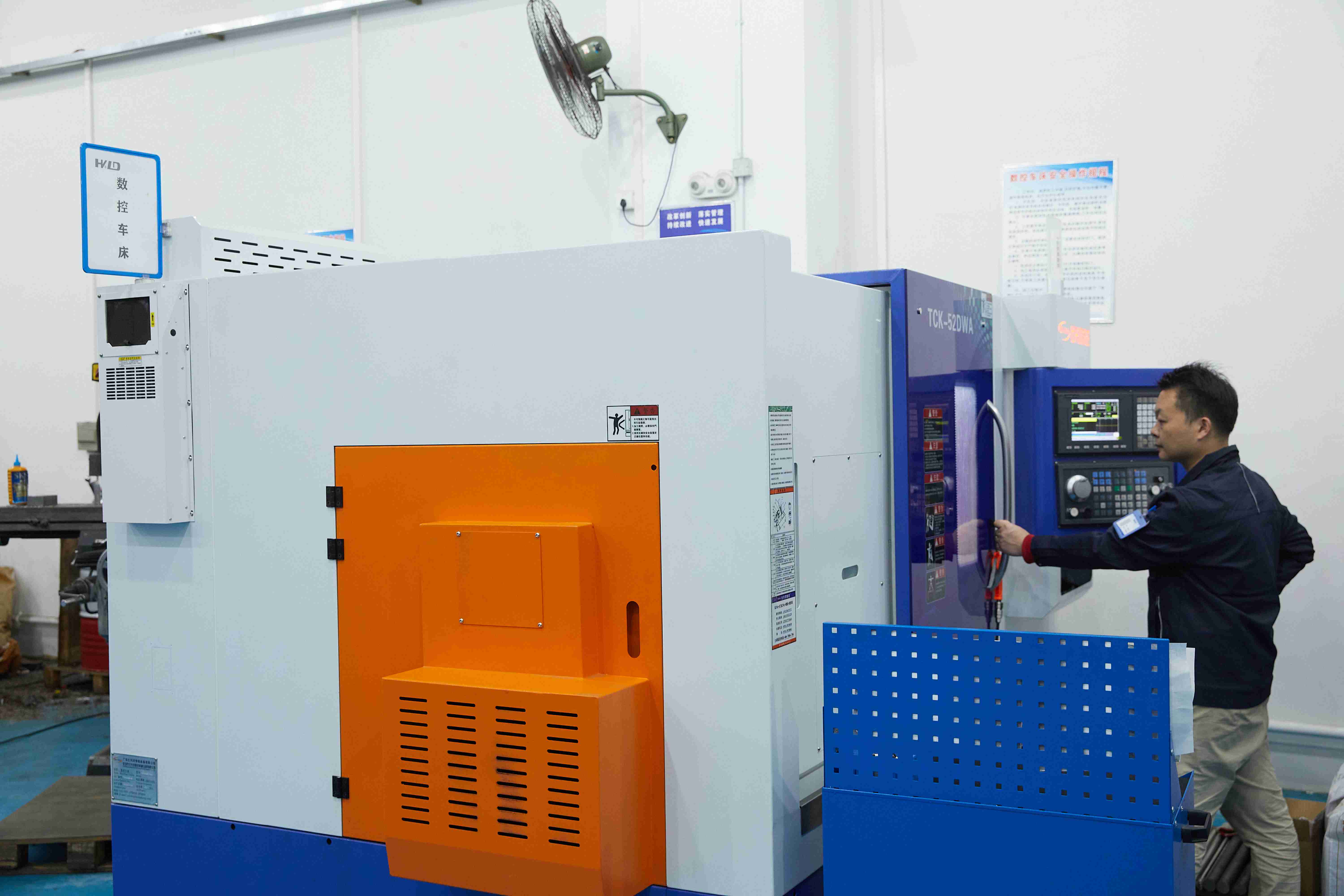
The control of positional tolerance is of great significance in precision parts processing. Firstly, controlling positional tolerance can ensure the assembly performance of parts. During the assembly of parts, if the positional tolerance is too large, it will prevent the parts from being correctly installed and matched, affecting the quality and efficiency of assembly. Therefore, by controlling positional tolerance, the assembly performance and accuracy of parts can be guaranteed. Secondly, the control of positional tolerance is also crucial for the working precision of parts. In applications with high requirements for working precision, such as precision instruments and aerospace equipment, the control of positional tolerance is directly related to the working precision and stability of parts. If the positional tolerance is too large, it will lead to an increase in working errors, affecting the working performance and accuracy of the entire system. To control positional tolerance, various means and methods are adopted in precision parts processing. Firstly, through the rational selection of process procedures and processing tools, errors and deformations during parts processing can be reduced. Secondly, high - precision measuring equipment is used to detect the dimensions and positions of parts, enabling timely detection and correction of problems in processing. Finally, strengthening the control and management of the processing process ensures that each link meets the design requirements, guaranteeing the control of the positional tolerance of parts. Positional tolerance in precision parts processing is a very important indicator, which is directly related to the assembly performance and working precision of parts. Through the rational selection of process procedures and processing tools, the use of high - precision measuring equipment, and strict quality control, positional tolerance can be effectively controlled, improving the quality and performance of parts, meeting customer requirements, and contributing to the development of modern manufacturing.
 WhatsApp